Minor Stroke Captured on Video Real Time TIA Ischemic Episode Explained
Definition
A minor stroke refers to a mild ischemic stroke or Transient Ischemic Attack (TIA) where neurological symptoms appear suddenly but are brief or cause minimal lasting deficit. It results from temporary interruption of blood flow to a part of the brain.
2. Pathophysiology
Caused by small thrombus/embolus blocking a cerebral artery.
Leads to focal cerebral ischemia → neurons lose oxygen & glucose.
Electrical dysfunction occurs within seconds → visible symptoms.
In TIA: blockage dissolves or blood flow restores quickly → symptoms resolve.
Represents a critical warning of impending major stroke.
3. Causes / Risk Factors
Hypertension (most common)
Atherosclerosis
Carotid artery stenosis
Atrial fibrillation
Diabetes
Smoking
Dyslipidemia
Sedentary lifestyle
Previous TIA/stroke
Hypercoagulable states
Elderly age
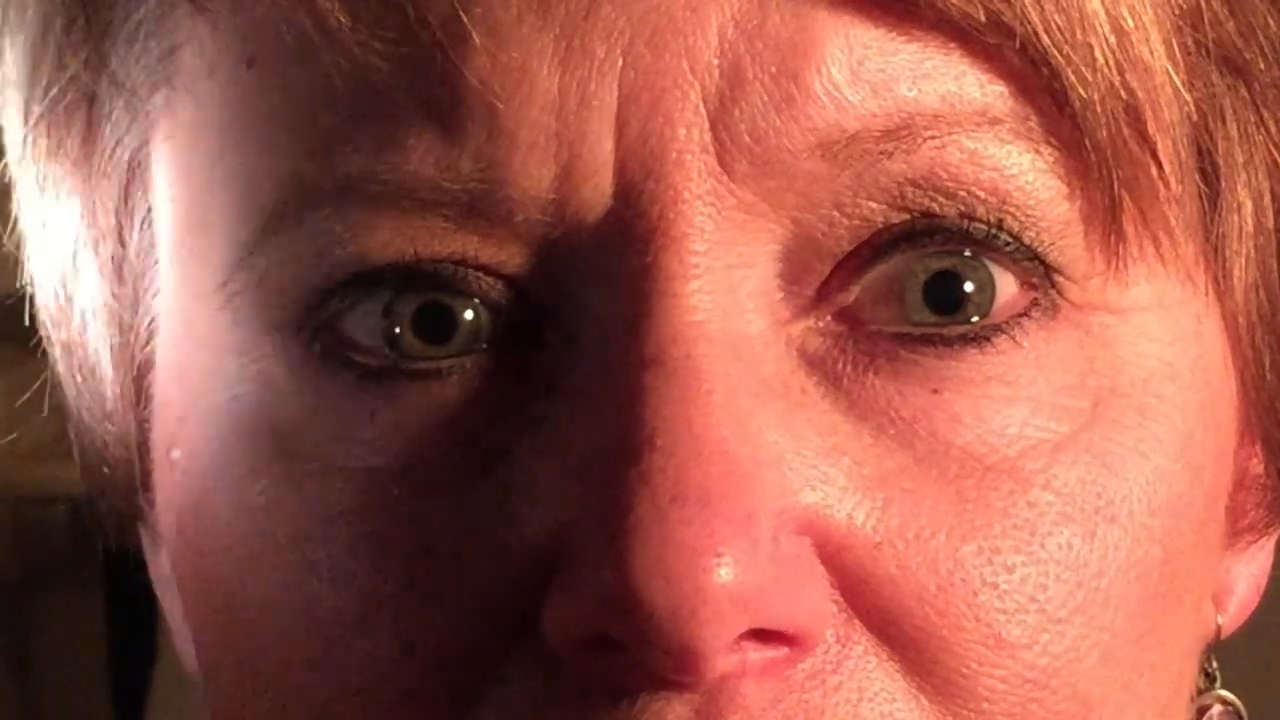
4. Clinical Features (Seen in Video)
Typical signs you may observe in the captured video:
Facial droop (one side of the mouth falls)
Slurred or unclear speech
Arm weakness / arm drift
Sudden confusion or inability to find words
Temporary vision disturbance
Loss of balance / unsteady gait
Numbness or tingling on one side
Brief collapse or inability to move normally
Mnemonic: FAST
Face drooping
Arm weakness
Speech difficulty
Time to act
5. Investigations / Diagnosis
Urgent evaluation includes:
CT Brain (Non-contrast) – rule out hemorrhage
MRI diffusion – most sensitive for ischemia
Carotid Doppler – assess stenosis
ECG + Holter – detect AF
Blood tests: CBC, electrolytes, glucose, lipid profile
Echocardiography – embolic source
6. Differential Diagnosis
Syncope
Seizure with post-ictal weakness (Todd’s paralysis)
Hypoglycemia
Hemiplegic migraine
Bell’s palsy
Functional neurological disorder
7. Management (Stepwise)
Immediate (Emergency)
Recognize FAST symptoms
Call emergency services
Record symptom onset time
Check glucose
Rapid CT to rule out bleed
Acute Treatment
If ischemic stroke and within 4.5 hours → IV tPA (Alteplase)
If large vessel occlusion → Mechanical thrombectomy
Maintain BP within safe limits
TIA or Minor Stroke (After Stabilization)
Dual antiplatelet therapy (DAPT):
Aspirin + Clopidogrel for 21 days, then single antiplatelet
Statins (High intensity)
Control risk factors: BP, glucose, lipids
Anticoagulation if AF present
Lifestyle modification: quit smoking, diet, exercise
8. Prognosis
TIA → 10% risk of major stroke in next 90 days
Early treatment lowers risk by 80%
Minor stroke may leave minimal deficits if treated promptly
A minor stroke refers to a mild ischemic stroke or Transient Ischemic Attack (TIA) where neurological symptoms appear suddenly but are brief or cause minimal lasting deficit. It results from temporary interruption of blood flow to a part of the brain.
2. Pathophysiology
Caused by small thrombus/embolus blocking a cerebral artery.
Leads to focal cerebral ischemia → neurons lose oxygen & glucose.
Electrical dysfunction occurs within seconds → visible symptoms.
In TIA: blockage dissolves or blood flow restores quickly → symptoms resolve.
Represents a critical warning of impending major stroke.
3. Causes / Risk Factors
Hypertension (most common)
Atherosclerosis
Carotid artery stenosis
Atrial fibrillation
Diabetes
Smoking
Dyslipidemia
Sedentary lifestyle
Previous TIA/stroke
Hypercoagulable states
Elderly age
4. Clinical Features (Seen in Video)
Typical signs you may observe in the captured video:
Facial droop (one side of the mouth falls)
Slurred or unclear speech
Arm weakness / arm drift
Sudden confusion or inability to find words
Temporary vision disturbance
Loss of balance / unsteady gait
Numbness or tingling on one side
Brief collapse or inability to move normally
Mnemonic: FAST
Face drooping
Arm weakness
Speech difficulty
Time to act
5. Investigations / Diagnosis
Urgent evaluation includes:
CT Brain (Non-contrast) – rule out hemorrhage
MRI diffusion – most sensitive for ischemia
Carotid Doppler – assess stenosis
ECG + Holter – detect AF
Blood tests: CBC, electrolytes, glucose, lipid profile
Echocardiography – embolic source
6. Differential Diagnosis
Syncope
Seizure with post-ictal weakness (Todd’s paralysis)
Hypoglycemia
Hemiplegic migraine
Bell’s palsy
Functional neurological disorder
7. Management (Stepwise)
Immediate (Emergency)
Recognize FAST symptoms
Call emergency services
Record symptom onset time
Check glucose
Rapid CT to rule out bleed
Acute Treatment
If ischemic stroke and within 4.5 hours → IV tPA (Alteplase)
If large vessel occlusion → Mechanical thrombectomy
Maintain BP within safe limits
TIA or Minor Stroke (After Stabilization)
Dual antiplatelet therapy (DAPT):
Aspirin + Clopidogrel for 21 days, then single antiplatelet
Statins (High intensity)
Control risk factors: BP, glucose, lipids
Anticoagulation if AF present
Lifestyle modification: quit smoking, diet, exercise
8. Prognosis
TIA → 10% risk of major stroke in next 90 days
Early treatment lowers risk by 80%
Minor stroke may leave minimal deficits if treated promptly


















Comments (3)

Medical Student
This was incredibly helpful for my upcoming exam. Thank you!
Nursing Professional
Great explanation of the ECG changes in hyperkalemia!