musical instruments to learn in 2024
Here are **five excellent musical instruments** to consider learning in 2024 — each with its own strengths, and I’ll also include **how to pick** the right one for *you*.
---
### 🎵 Top instrument picks
#### 1. Piano / Keyboard
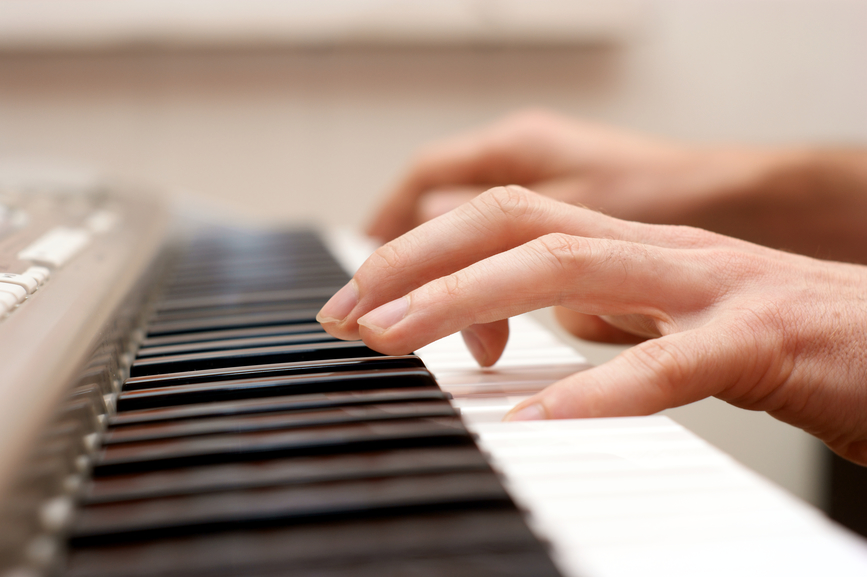

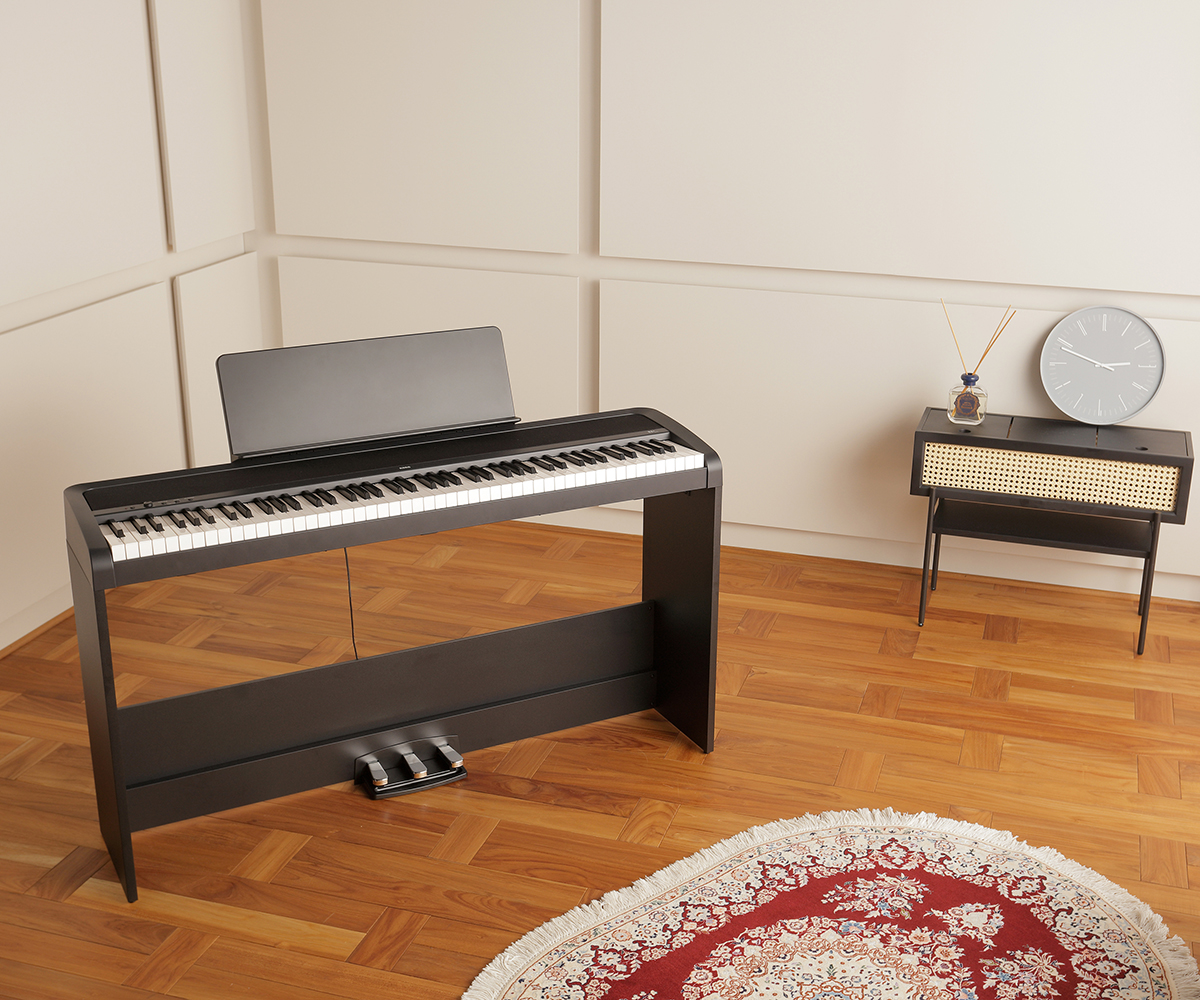
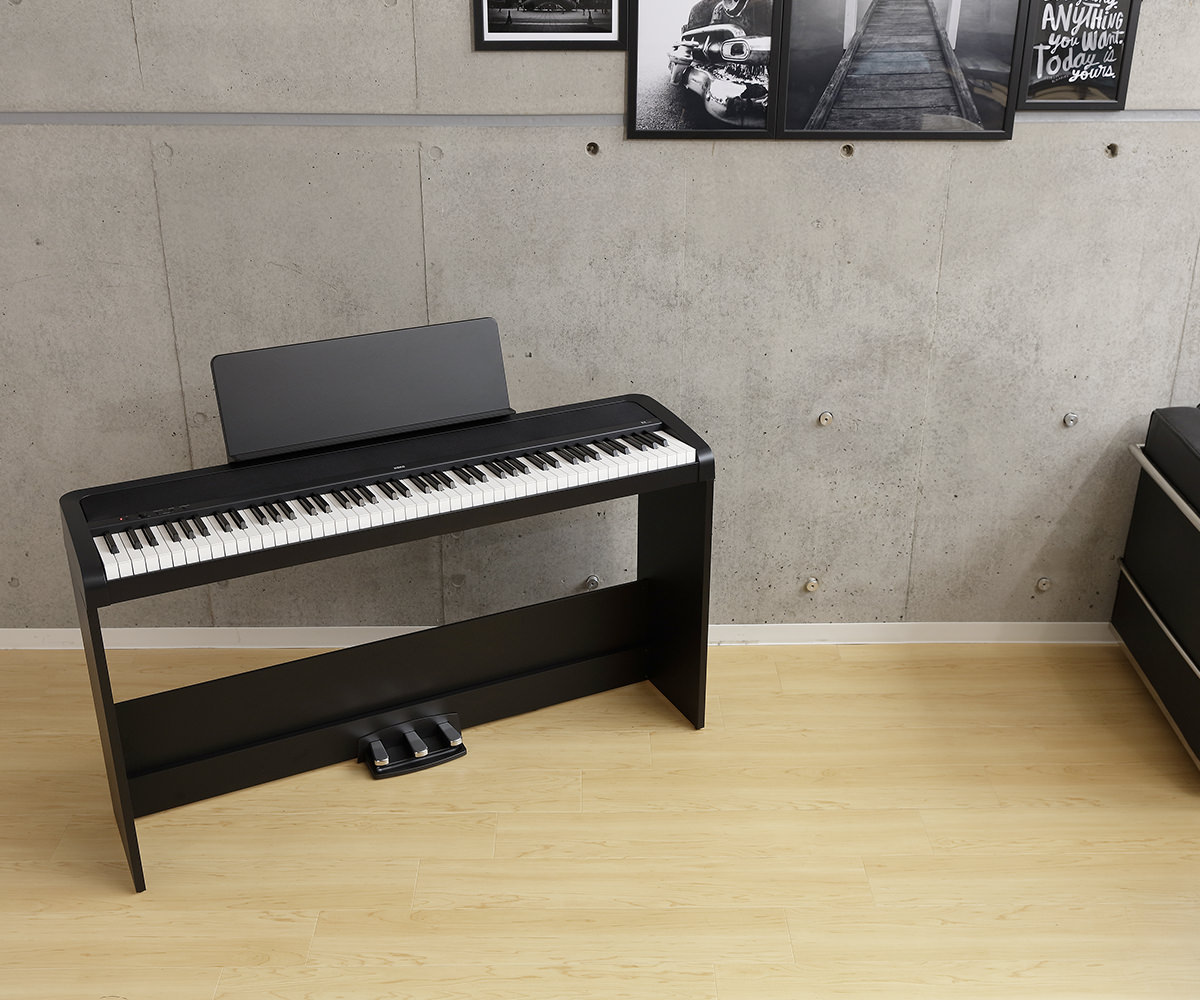


**Why pick the piano**
* It’s highly versatile across genres (classical, pop, jazz, film music) and works as both solo & accompaniment. ([artgharana.com][1])
* The visual layout of keys makes theory (scales, chords, harmony) comparatively intuitive.
* Research shows that playing an instrument like the piano may boost brain health, memory and executive functioning. ([The Guardian][2])
**Considerations**
* Might require more space and investment (full keyboard, decent bench, good sound).
* Getting good at it still takes discipline and time.
---
#### 2. Guitar (Acoustic or Electric)

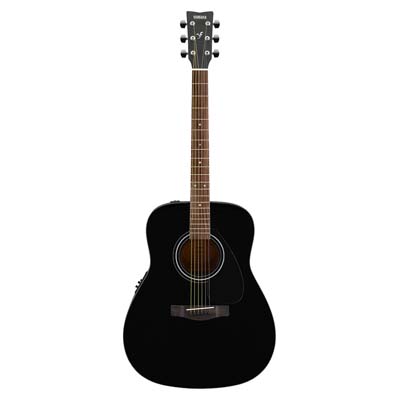


**Why pick the guitar**
* Very popular and social (camp-fire, band, solo performance) and there’s lots of teacher/online support. ([Music Lessons in Corona][3])
* Portable, somewhat less expensive to start (especially an acoustic) compared to some other instruments.
**Considerations**
* Finger strength/movement required; chords and transitions can be tricky at first.
* If you choose electric, you’ll need extra gear (amp, cable) for full experience.
---
#### 3. Drums / Percussion
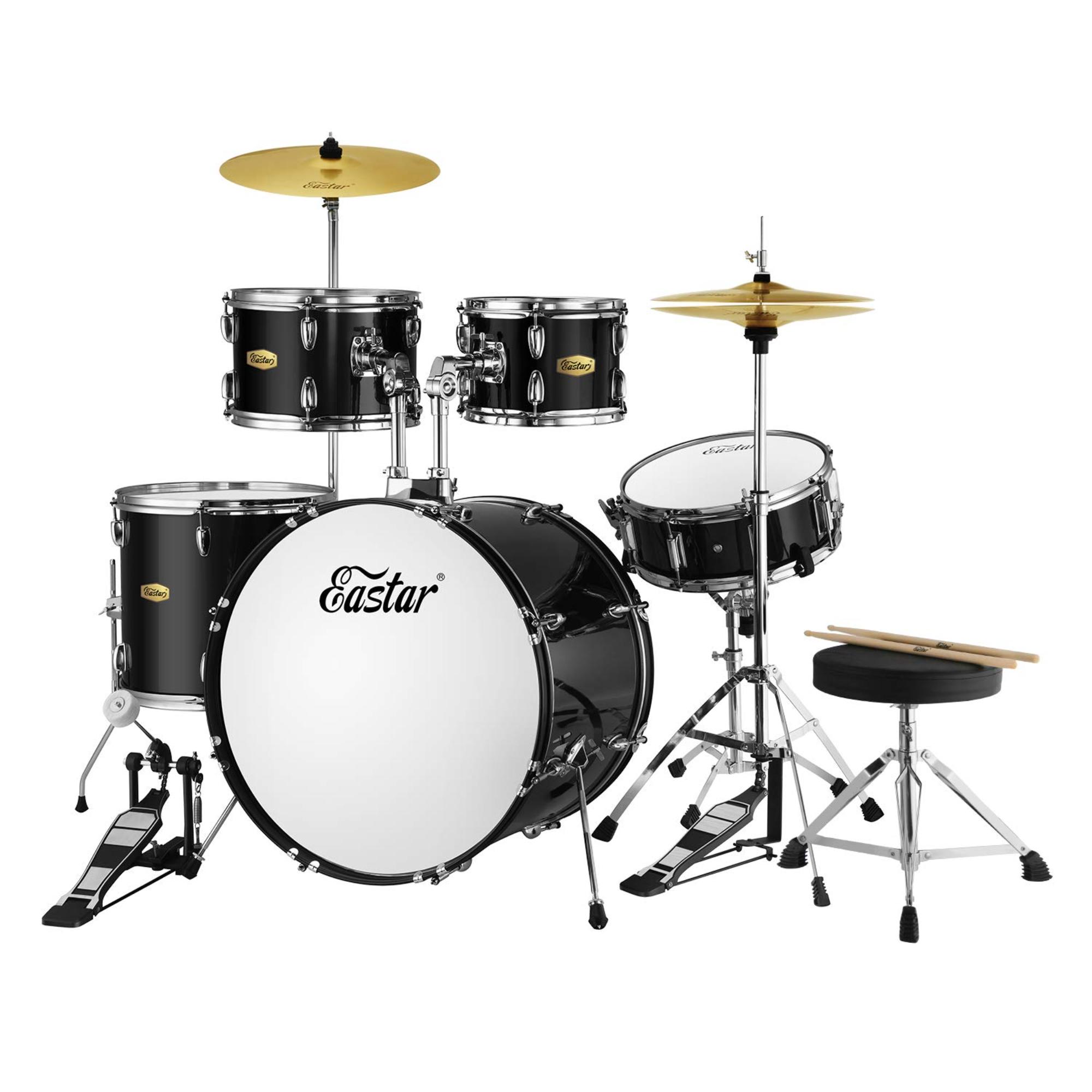


**Why pick drums/percussion**
* Great for rhythm, coordination, fun and expressive. ([Save The Music Foundation][4])
* Works well for energetic and group-music settings (bands, events).
**Considerations**
* Space and noise might be an issue especially if you’re in an apartment. Electronic kits can help.
* May not immediately cover melody/harmony so if you want a melodic instrument you may need another.
---
#### 4. Flute / Wind Instruments


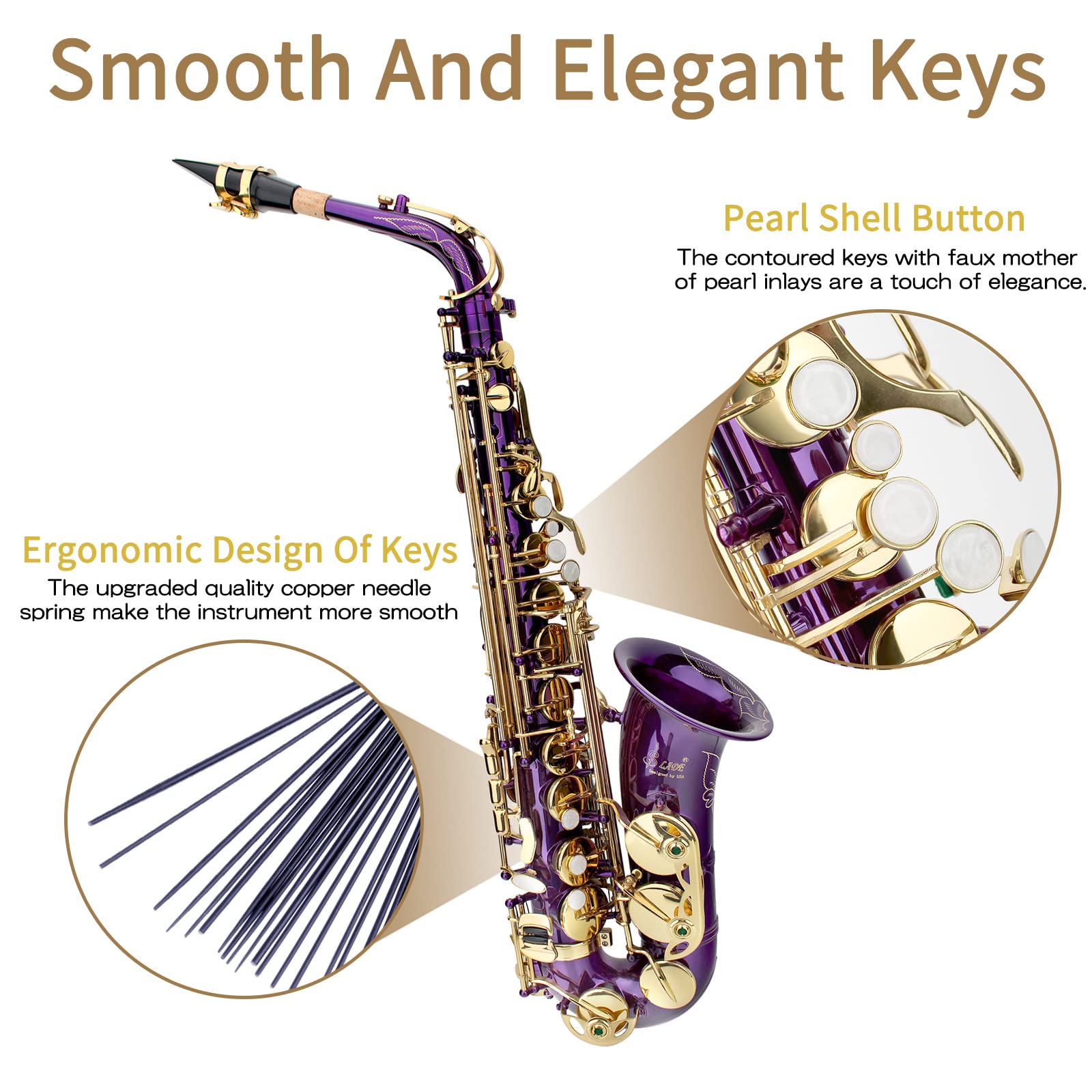
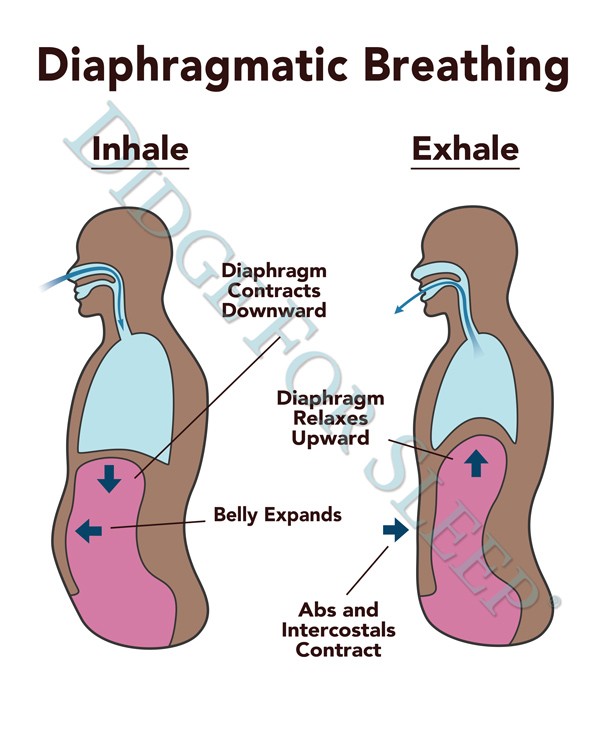

**Why pick wind instruments**
* They bring different skills: breath control, phrasing, articulation, and they expand the palette of sounds you can produce. ([creativesoulmusic.com][5])
* They are often useful in orchestras, bands, even modern/pop settings.
**Considerations**
* Embouchure (mouth/lip shape) and breath technique take some getting used to.
* Some instruments may be more expensive; availability of teachers may vary regionally.
---
#### 5. Ukulele (or a compact beginner string instrument)


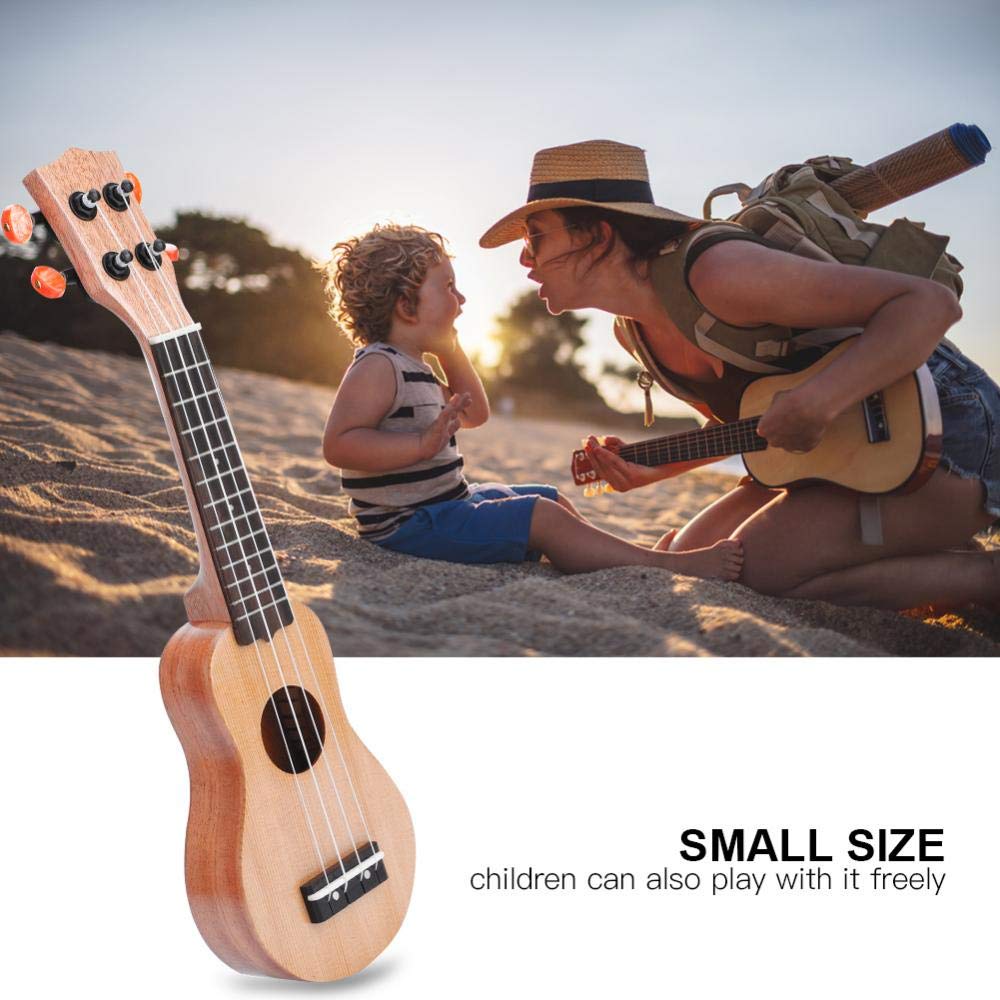

**Why pick the ukulele**
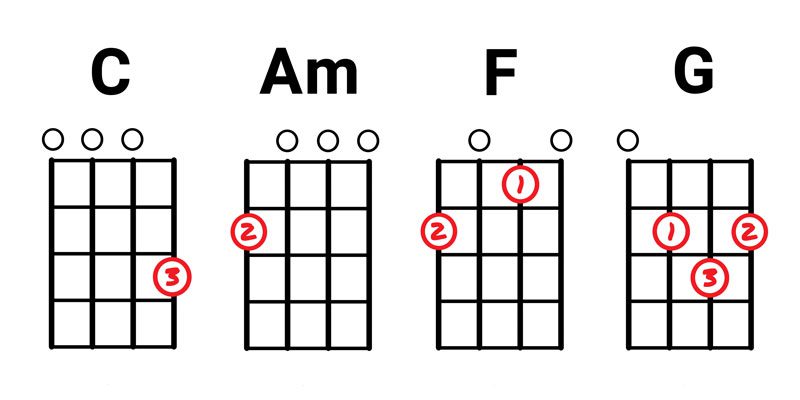
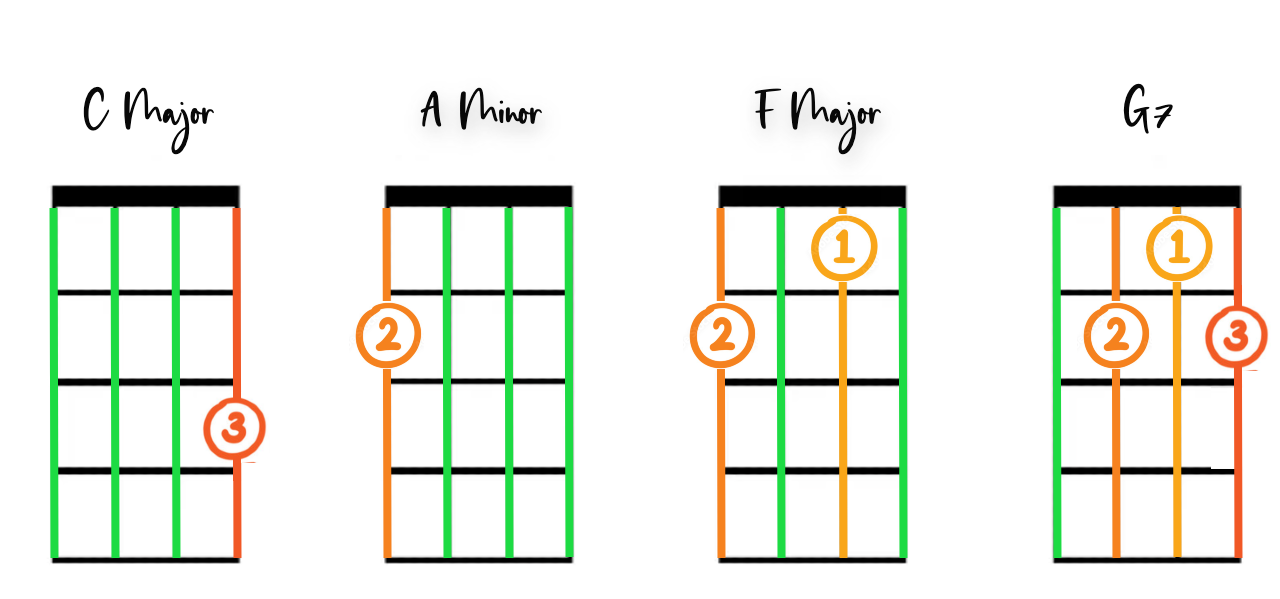
* Super beginner-friendly: fewer strings, smaller size, easier chord shapes and transitions.
* Portable, affordable, and a fun way to start making music quickly.
* Mentioned as a good beginner instrument especially for kids, but equally good for adults. ([tayyarijeetki.in][6])
**Considerations**
* It might be more limited in terms of volume or genre compared to a full guitar or piano.
* If you commit long term you may still want to transition to a “bigger” instrument.
---
### 🧭 How to pick *your* instrument
Here are key factors to consider:
* **Your interest/genre**: What kind of music do *you* love? If you’re drawn to pop/rock, guitar or drums might excite you; if you love film/classical, piano or flute might fit.
* **Space & budget**: Do you have room? Is noise an issue? What’s your budget for instrument + lessons?
* **Physical constraints/comfort**: Holding and playing instruments differs — e.g., guitar vs flute vs drum kit. Choose something you’re comfortable with.
* **Access to teaching**: Good teachers or quality online lessons matter a lot for learning.
* **Motivation & long-term vision**: Think ahead — do you want this for hobby, performance, composition? The more serious you get, the more your instrument choice may matter.
* **Ease of getting started**: If you want quick wins to keep motivation high, start with something more beginner-friendly (like ukulele) and then possibly expand.
---
Would you like **top recommended instruments available in India / Indian pricing**, or a **list of local teachers/music schools in Ahmedabad** to get started?
[1]: https://www.artgharana.com/blogs/musical-instruments/popular-musical-instruments?utm_source=chatgpt.com "Top 10 Most Popular Types of Musical Instruments"
[2]: https://www.theguardian.com/society/2024/jan/29/playing-musical-instrument-singing-linked-improved-older-brain-health?utm_source=chatgpt.com "Playing a musical instrument or singing is linked to better memory in older age"
[3]: https://musiclessonsincorona.com/7-popular-musical-instruments-students-learn/?utm_source=chatgpt.com "The 7 Most Popular Musical Instruments that Students Learn"
[4]: https://www.savethemusic.org/blog/easy-instruments-to-learn/?utm_source=chatgpt.com "The 7 Easiest Instruments to Learn at Any Age"
[5]: https://www.creativesoulmusic.com/blog/benefits-learning-musical-instrument?utm_source=chatgpt.com "General and Specific Benefits of Musical Instrument Types"
[6]: https://www.tayyarijeetki.in/articles/top-musical-instruments-for-kids-and-their-benefits-how-to-pick-the-right-one?utm_source=chatgpt.com "Top Musical Instruments for Kids and their Benefits"
---
### 🎵 Top instrument picks
#### 1. Piano / Keyboard






**Why pick the piano**
* It’s highly versatile across genres (classical, pop, jazz, film music) and works as both solo & accompaniment. ([artgharana.com][1])
* The visual layout of keys makes theory (scales, chords, harmony) comparatively intuitive.
* Research shows that playing an instrument like the piano may boost brain health, memory and executive functioning. ([The Guardian][2])
**Considerations**
* Might require more space and investment (full keyboard, decent bench, good sound).
* Getting good at it still takes discipline and time.
---
#### 2. Guitar (Acoustic or Electric)




**Why pick the guitar**
* Very popular and social (camp-fire, band, solo performance) and there’s lots of teacher/online support. ([Music Lessons in Corona][3])
* Portable, somewhat less expensive to start (especially an acoustic) compared to some other instruments.
**Considerations**
* Finger strength/movement required; chords and transitions can be tricky at first.
* If you choose electric, you’ll need extra gear (amp, cable) for full experience.
---
#### 3. Drums / Percussion



**Why pick drums/percussion**
* Great for rhythm, coordination, fun and expressive. ([Save The Music Foundation][4])
* Works well for energetic and group-music settings (bands, events).
**Considerations**
* Space and noise might be an issue especially if you’re in an apartment. Electronic kits can help.
* May not immediately cover melody/harmony so if you want a melodic instrument you may need another.
---
#### 4. Flute / Wind Instruments





**Why pick wind instruments**
* They bring different skills: breath control, phrasing, articulation, and they expand the palette of sounds you can produce. ([creativesoulmusic.com][5])
* They are often useful in orchestras, bands, even modern/pop settings.
**Considerations**
* Embouchure (mouth/lip shape) and breath technique take some getting used to.
* Some instruments may be more expensive; availability of teachers may vary regionally.
---
#### 5. Ukulele (or a compact beginner string instrument)






**Why pick the ukulele**
* Super beginner-friendly: fewer strings, smaller size, easier chord shapes and transitions.
* Portable, affordable, and a fun way to start making music quickly.
* Mentioned as a good beginner instrument especially for kids, but equally good for adults. ([tayyarijeetki.in][6])
**Considerations**
* It might be more limited in terms of volume or genre compared to a full guitar or piano.
* If you commit long term you may still want to transition to a “bigger” instrument.
---
### 🧭 How to pick *your* instrument
Here are key factors to consider:
* **Your interest/genre**: What kind of music do *you* love? If you’re drawn to pop/rock, guitar or drums might excite you; if you love film/classical, piano or flute might fit.
* **Space & budget**: Do you have room? Is noise an issue? What’s your budget for instrument + lessons?
* **Physical constraints/comfort**: Holding and playing instruments differs — e.g., guitar vs flute vs drum kit. Choose something you’re comfortable with.
* **Access to teaching**: Good teachers or quality online lessons matter a lot for learning.
* **Motivation & long-term vision**: Think ahead — do you want this for hobby, performance, composition? The more serious you get, the more your instrument choice may matter.
* **Ease of getting started**: If you want quick wins to keep motivation high, start with something more beginner-friendly (like ukulele) and then possibly expand.
---
Would you like **top recommended instruments available in India / Indian pricing**, or a **list of local teachers/music schools in Ahmedabad** to get started?
[1]: https://www.artgharana.com/blogs/musical-instruments/popular-musical-instruments?utm_source=chatgpt.com "Top 10 Most Popular Types of Musical Instruments"
[2]: https://www.theguardian.com/society/2024/jan/29/playing-musical-instrument-singing-linked-improved-older-brain-health?utm_source=chatgpt.com "Playing a musical instrument or singing is linked to better memory in older age"
[3]: https://musiclessonsincorona.com/7-popular-musical-instruments-students-learn/?utm_source=chatgpt.com "The 7 Most Popular Musical Instruments that Students Learn"
[4]: https://www.savethemusic.org/blog/easy-instruments-to-learn/?utm_source=chatgpt.com "The 7 Easiest Instruments to Learn at Any Age"
[5]: https://www.creativesoulmusic.com/blog/benefits-learning-musical-instrument?utm_source=chatgpt.com "General and Specific Benefits of Musical Instrument Types"
[6]: https://www.tayyarijeetki.in/articles/top-musical-instruments-for-kids-and-their-benefits-how-to-pick-the-right-one?utm_source=chatgpt.com "Top Musical Instruments for Kids and their Benefits"






























Comments (3)

Medical Student
This was incredibly helpful for my upcoming exam. Thank you!
Nursing Professional
Great explanation of the ECG changes in hyperkalemia!